Organic vs. Conventional Fertilizers: Why Dr. Orchard’s Biotech Approach Outperforms Synthetics on Yield and Sustainability

For decades, farmers have been forced to choose between two extremes:
fast but damaging chemical fertilizers or slow and inconsistent organic manures.
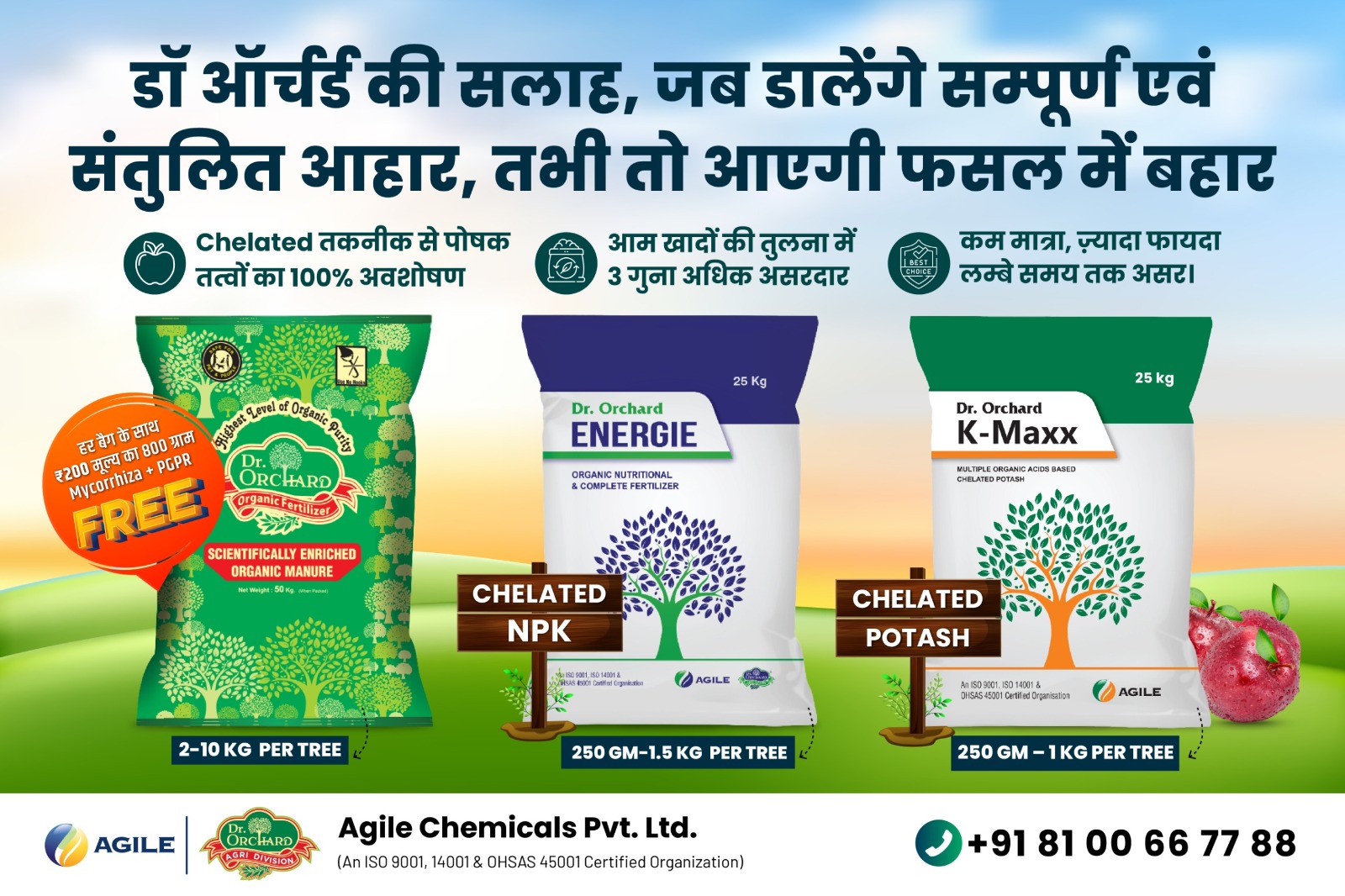
Dr. Orchard introduces a third path — biological precision powered by BioCata-Fx BioCatalytic Fermentation Technology, combining the speed of synthetics with the long-term soil benefits of organic systems.
1. Conventional Fertilizers: The Illusion of Speed
Synthetic chemical salts give a quick green-up, but the hidden costs are massive.
❌ The Hidden Problem: Low Nutrient Use Efficiency
Plants struggle to absorb raw salts. Much of conventional Nitrogen, Phosphorus, or Potash is:
- Lost through leaching
- Volatilized
- Locked in soil due to reactions with calcium, iron, or clay minerals
The result? High application rates but low actual uptake.
❌ Soil Degradation Over Time
High-salt chemical fertilizers:
- Disrupt soil microbe populations
- Reduce beneficial fungi and bacteria
- Break down soil structure
- Reduce water-holding capacity
- Increase dependency on external inputs
Year after year, the soil becomes weaker… and the farmer must spray more just to maintain normal yields.
❌ The Chemical Treadmill
As soil biology collapses:
- Yields become inconsistent
- Input costs rise
- Trees become more vulnerable to stress
- Fertilizer efficiency declines further
This is the chemical treadmill — high cost, low return.
2. The Dr. Orchard Biotech Leap: Precision Over Volume
The real debate is no longer “organic vs. chemical.”
The real choice is crude volume vs. biological precision.
Dr. Orchard’s BioCata-Fx technology creates a new category.
✔ Overcoming the Slowness of Organic Fertilizers
Traditional organic sources (manure/compost) require weeks or months to break down.
BioCata-Fx uses precision fermentation to:
- Pre-digest nutrients
- Break them into smaller, plant-ready organic molecules
- Deliver faster, more consistent nutrient availability
This gives the speed of synthetics with the soil-regeneration benefits of organic inputs.
✔ High Nutrient Efficiency Without Salt Stress
Instead of “nano-chelation” (which we should not claim without lab proof),
Dr. Orchard uses Smart Organic Chelation through BioCata-Fx:
- Nutrients stay soluble longer
- Less fixation in high-pH soils
- Better absorption through roots and leaves
- Lower loss through runoff
This significantly reduces waste and environmental impact.
3. Yield & Economic Benefits: The REAL ROI of Biological Farming
Switching to biological precision isn’t only philosophical —
it’s financially smarter, especially in orchard systems.
✔ Crop Resilience = Lower Risk
Trees supported by a biologically active rhizosphere:
- Handle heat better
- Handle drought better
- Recover faster from stress
- Experience fewer nutrient disorders
This leads to consistent and predictable yields, which is the greatest form of risk reduction for orchard farmers.
✔ Reduced Input Costs Over Time
As BioCata-Fx products restore soil biology:
- Native microbes become active again
- Nutrient cycling restarts
- Soil releases locked nutrients
- Fertilizer requirement gradually decreases
This creates a downward trend in input costs, year after year.
✔ Premium Market Advantage
Markets increasingly reward:
- Sustainable practices
- Biological farming
- Low-residue produce
- Eco-friendly orchard systems
Using Dr. Orchard technology helps position your orchard as:
- Clean
- Sustainable
- High-tech
- Future-ready
This often commands a higher selling price for your fruit.
Conclusion: Choose the Future of Farming
If you are serious about:
- Maximizing nutrient efficiency
- Reducing environmental impact
- Strengthening soil health
- Increasing long-term profitability
…then it’s time to move beyond the outdated “organic vs. chemical” debate and step into biological precision farming.
Dr. Orchard + BioCata-Fx = Faster growth today + stronger soil tomorrow.